Weather Guide

Tabo Weather & Temperature: Month-by-Month Guide

Live-feel weather + month links + "What should we pack / when should we come?" CTA

~7 min read· Updated Jul 2026

Everything you need to plan Tabo Weather & Temperature: Month-by-Month Guide — what we know from running trips here every season, plus a WhatsApp shortcut when you're ready.

At a glance
Best months
May to September
Coldest months
December, January, February
Warmest months
June, July, August
Average rainfall (annual)
~210mm
Ideal visit duration
1-2 days (within a larger Spiti trip)

Tabo Weather & Temperature: A Live-Feel Guide to Planning Your Spiti Valley Adventure

Planning a trip to Tabo is an experience in itself, and understanding the local weather is paramount to truly enjoying this ancient village in the heart of Spiti Valley. Unlike many other destinations, weather in Tabo isn't just about comfort; it dictates accessibility, the types of activities you can undertake, and even the feeling of your stay. From deep winter snowfalls that transform the landscape into a pristine, silent wonderland to the surprisingly pleasant summer days that invite exploration, Tabo offers a unique climate profile throughout the year. We understand that knowing what to expect, and more importantly, what to pack, is crucial for a smooth journey. This guide will walk you through the distinct seasons of Tabo, offering insights into its monthly weather patterns and helping you pinpoint your ideal travel window. Whether you're chasing the thrill of snow, the serenity of clear skies, or the vibrancy of comfortable summer days, knowing the tabo himachal pradesh weather ahead of time is your first step towards an unforgettable adventure. Let's delve into the details so you can prepare for an incredible experience in this high-altitude haven.

Current Season Summary: What to Expect Right Now in Tabo

As specialists in Himachal Pradesh travel, we always advise checking the current weather conditions closer to your travel date, but a summary of the ongoing season can give you a good head start. Tabo's climate is characterized by its high-altitude, cold desert environment. This means low humidity, intense sunlight, and significant temperature fluctuations between day and night, even at the current temperature in tabo himachal pradesh. Regardless of the month, evenings and early mornings are always crisp, and layers are your best friend.

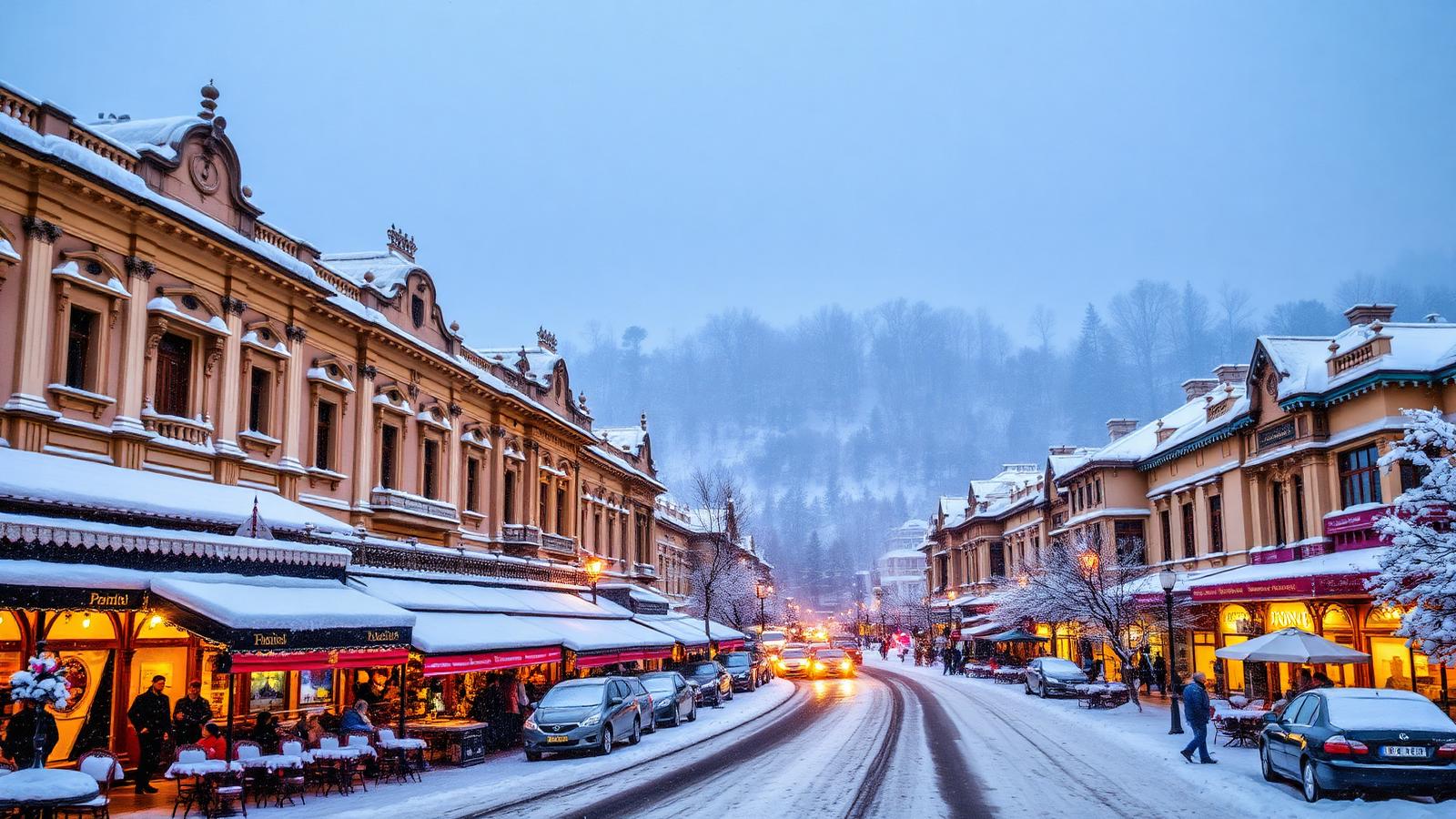
  • Winter (November - March): Expect heavy snowfall, biting winds, and temperatures often well below freezing. Accessibility can be a challenge, but the landscape is breathtakingly beautiful.
  • Spring (April - May): The snow begins to melt, revealing the barren beauty of the mountains. Days are cold but often clear, making it a good transitional period for those who prefer fewer crowds.
  • Summer (June - September): This is the most popular time to visit, with comfortable daytime temperatures and relatively dry conditions. The valley opens up, and trekking opportunities abound.
  • Autumn (October): A brief but beautiful season, with clear skies and crisp air as temperatures begin their descent towards winter. It's a fantastic time for photography and quiet exploration before the harsher cold sets in.

Understanding these seasonal shifts is key to choosing your perfect Tabo experience.

Tabo Month-by-Month Weather Breakdown

To give you a precise picture, here's a detailed look at the tabo himachal pradesh weather throughout the year, using our reliable climate data:

January: Deep winter. High -1.0°C / Low -15.0°C / Rain 15.0mm. Expect heavy snow and frozen landscapes. Truly for the adventurous.
February: Deep winter. High ?°C / Low -13.0°C / Rain 20.0mm. Similar to January, snow penetration is maximal. Roads often closed.
March: Cold but clear. High 6.0°C / Low -8.0°C / Rain 15.0mm. Snow begins to recede, but still very cold. Layering is essential.
April: Good visit window. High 11.0°C / Low -3.0°C / Rain 10.0mm. Days are getting milder, making road travel more feasible.
May: Prime window. High 16.0°C / Low 2.0°C / Rain 10.0mm. Comfortable days, dry conditions. Excellent for exploring.
June: Prime window. High 20.0°C / Low 5.0°C / Rain 15.0mm. Warmest month, ideal for trekking and sightseeing. Pleasant evenings.
July: Prime window. High 21.0°C / Low 8.0°C / Rain 30.0mm. Peak warmth, sometimes sees a little more rain, but still very enjoyable.
August: Prime window. High 20.0°C / Low 8.0°C / Rain 35.0mm. Similar to July, lush for Spiti. A great time to visit.
September: Prime window. High 17.0°C / Low 4.0°C / Rain 25.0mm. Clear skies, pleasant days, and vibrant autumn colours beginning.
October: Good visit window. High 12.0°C / Low -2.0°C / Rain 15.0mm. Crisp air, bright sun, but evenings turn very cold quickly.
November: Cold but clear. High 7.0°C / Low -8.0°C / Rain 5.0mm. Winter's chill sets in. Fewer crowds, dramatic scenery.
December: Deep winter. High 2.0°C / Low -13.0°C / Rain 10.0mm. Snowfall is likely, road closures are common. A true winter wonderland.

The Best Window to Visit Tabo: Our Expert Recommendation

Based on our extensive experience and the historical tabo himachal pradesh weather patterns, the prime window for visiting Tabo comfortably and with full accessibility runs from May to September. During these months, you'll experience:

  • Comfortable Daytime Temperatures: Highs range from 16.0°C to 21.0°C, perfect for exploring the Tabo Monastery and surrounding trails without extreme cold.
  • Accessible Roads: The key routes into Spiti Valley generally open up by late May or early June and remain clear until late September, making travel much easier.
  • Dry Conditions: While July and August see slightly more rainfall (30-35mm), it's significantly less than in other parts of Himachal Pradesh, ensuring minimal disruption to your plans and offering many sunny days.
  • Longer Daylight Hours: Allowing more time for sightseeing and soaking in the majestic landscapes.

Within this prime window, June and September are often considered ideal. June offers the peak of summer warmth, while September provides stable, clear weather with a hint of autumn's crispness and magical light. If you are seeking a truly authentic, snow-clad experience and are equipped for extreme cold and potential road blocks, then late March and October also offer a unique, challenging, yet rewarding adventure.

What Should We Pack for Our Tabo Trip?

Packing for Tabo requires strategic thinking due to its high-altitude, cold desert climate where the current temperature in tabo himachal pradesh can fluctuate wildly. Even in summer, evenings are cool, and in winter, extreme cold is the norm. Here’s a comprehensive packing list:

  • Layers, Layers, Layers: This is non-negotiable. Thermal innerwear (top and bottom), fleece jackets, wool sweaters, and a waterproof/windproof outer shell. Adjust number of layers based on the season.
  • Footwear: Sturdy, waterproof trekking boots with good ankle support are essential for all seasons. Heavy wool socks are a must.
  • Headwear: A warm woollen cap or beanie, and a wide-brimmed hat for protection against the intense sun.
  • Gloves: Waterproof and insulated gloves for colder months, lighter options for summer evenings.
  • Sun Protection: High-SPF sunscreen, good quality sunglasses (UV protected), and lip balm with SPF are crucial due to the thin air and strong UV radiation.
  • Hydration: A reusable water bottle. The dry air can lead to dehydration quickly.
  • Personal First-Aid Kit: Include basics, plus any personal medications, pain relievers, and Diamox (after consulting your doctor) for altitude sickness.
  • Essentials: Power bank, headlamp/torch, camera, and toiletries. Don’t forget a good book for quiet evenings!

Frequently Asked Questions About Tabo Weather & Travel

Got more questions about traveling to Tabo? We've compiled some common queries to help you plan further.

  • Q: What is the best time to see snow in Tabo?
  • A: If you're seeking a snow-covered landscape, plan your visit between December and early March. Be prepared for challenging travel conditions and extremely low temperatures during this period.
  • Q: Is Tabo safe to visit during the monsoon season?
  • A: Unlike other parts of Himachal Pradesh, Tabo and Spiti Valley receive relatively little rainfall, even during monsoon months (July-August). It's generally safe, but landslides on approach roads can occasionally cause delays.
  • Q: How does the altitude affect the weather in Tabo?
  • A: Tabo's high altitude (around 3,280 meters or 10,760 feet) means thin air, intense UV radiation, and significant day-night temperature swings year-round. This is why layering is so important.
  • Q: Are there any specific road closures to be aware of?
  • A: The high passes (Rohtang La, Kunzum La) connecting Lahaul and Spiti are typically closed from November to May due to heavy snowfall. The Kinnaur route (Shimla – Kaza) usually remains open longer but can also experience closures in deep winter.
  • Q: What kind of accommodation should we expect in different seasons?
  • A: In peak season (May-September), guesthouses and homestays are fully operational. In winter, many establishments close, and only basic guesthouses with limited facilities might be open, often relying on traditional heating methods.
  • Q: Is it advisable to travel to Tabo with children during winter months?
  • A: Due to the extreme cold, challenging road conditions, and risks of high altitude sickness, we generally advise against traveling to Tabo with young children during the deep winter months.
  • Q: How long should we plan to stay in Tabo?
  • A: We recommend 1-2 full days in Tabo itself to explore the monastery complex and surrounding areas. This also allows for better acclimatization before moving further into Spiti Valley.
  • Q: What permits are required for Tabo?
  • A: Indian nationals do not require permits for Tabo. Foreign nationals previously needed an Inner Line Permit (ILP) for some areas of Spiti, but typically not for Tabo itself when entering via the Kinnaur route. Always check the latest regulations before travel.

Ready to Plan Your Tabo Adventure? Let's Connect!

We hope this detailed guide to Tabo's weather and climate has been helpful in envisioning your trip. Understanding the nuances of the tabo himachal pradesh weather is the first step towards a well-prepared and truly memorable journey. Whether you're planning a summer exploration of ancient monasteries under azure skies or dreaming of a challenging winter expedition through a snow-laden landscape, we are here to help you craft the perfect itinerary tailored to your preferences and the current temperature in tabo himachal pradesh.

Our team of local experts lives and breathes Himachal Pradesh, and we're passionate about sharing its wonders with you. We can assist with everything from choosing the best travel dates and advising on the right gear to arranging comfortable local transport and booking authentic accommodation. Don't leave your Spiti Valley adventure to chance. Reach out to us with your questions, ideas, or simply to get a local perspective on planning your dream trip to Tabo. We're just a message away, eager to help you create an unforgettable experience in this spectacular part of the world. Let's start planning today!

Month-by-month strip

Jan
-1°
low -15°
15 mm
Feb
0°
low -13°
20 mm
Mar
6°
low -8°
15 mm
Apr
11°
low -3°
10 mm
May
16°
low 2°
10 mm
Jun
20°
low 5°
15 mm
Jul
21°
low 8°
30 mm
Aug
20°
low 8°
35 mm
Sep
17°
low 4°
25 mm
Oct
12°
low -2°
15 mm
Nov
7°
low -8°
5 mm
Dec
2°
low -13°
10 mm

Frequently asked

What is the best time to see snow in Tabo?

If you're seeking a snow-covered landscape, plan your visit between December and early March. Be prepared for challenging travel conditions and extremely low temperatures during this period.

Is Tabo safe to visit during the monsoon season?

Unlike other parts of Himachal Pradesh, Tabo and Spiti Valley receive relatively little rainfall, even during monsoon months (July-August). It's generally safe, but landslides on approach roads can occasionally cause delays.

How does the altitude affect the weather in Tabo?

Tabo's high altitude (around 3,280 meters or 10,760 feet) means thin air, intense UV radiation, and significant day-night temperature swings year-round. This is why layering is so important.

Are there any specific road closures to be aware of?

The high passes (Rohtang La, Kunzum La) connecting Lahaul and Spiti are typically closed from November to May due to heavy snowfall. The Kinnaur route (Shimla – Kaza) usually remains open longer but can also experience closures in deep winter.

What kind of accommodation should we expect in different seasons?

In peak season (May-September), guesthouses and homestays are fully operational. In winter, many establishments close, and only basic guesthouses with limited facilities might be open, often relying on traditional heating methods.

Is it advisable to travel to Tabo with children during winter months?

Due to the extreme cold, challenging road conditions, and risks of high altitude sickness, we generally advise against traveling to Tabo with young children during the deep winter months.

How long should we plan to stay in Tabo?

We recommend 1-2 full days in Tabo itself to explore the monastery complex and surrounding areas. This also allows for better acclimatization before moving further into Spiti Valley.

What permits are required for Tabo?

Indian nationals do not require permits for Tabo. Foreign nationals previously needed an Inner Line Permit (ILP) for some areas of Spiti, but typically not for Tabo itself when entering via the Kinnaur route. Always check the latest regulations before travel.

Need a taxi or a stay to go with this?

We run 15,000+ verified taxi routes and curated stays across Himachal. Message us with your dates and we'll send options in 10 minutes.