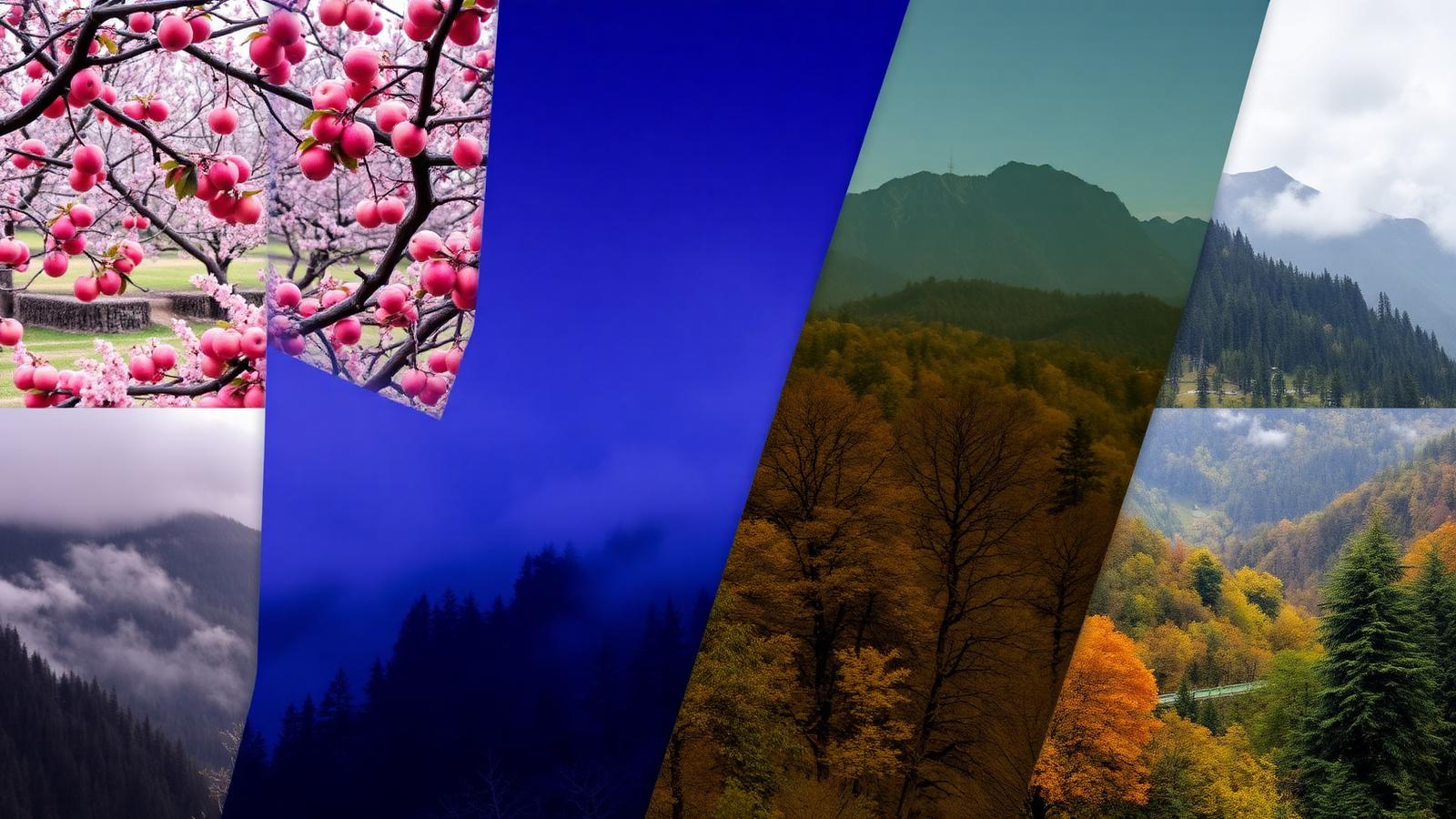
Best Time to Visit

Best Time to Visit Spiti: Month-by-Month Verdicts

Verdict-first + "Is {m} right for you? Ask us" + stay/taxi cards for that month

~7 min read· Updated Jul 2026

Everything you need to plan Best Time to Visit Spiti: Month-by-Month Verdicts — what we know from running trips here every season, plus a WhatsApp shortcut when you're ready.

At a glance
Best months
June to September (Prime Window); May, October (Good Visit Window)
How long to stay
7-10 days recommended
Avg. elevation
Approx. 12,500 feet (Kaza)
Difficulty
Moderate to Challenging (due to altitude & terrain)

Embark on Your Spiti Journey: Finding Your Perfect Month

Choosing the best time to visit Spiti Valley Himachal Pradesh is less about finding a single 'ideal' month and more about aligning your expectations and adventure style with the valley's distinct seasons. Spiti, a high-altitude desert, offers profoundly different experiences throughout the year – from snow-clad isolation to vibrant summer greenery. As your local experts at Go2Himachal, we've navigated these roads countless times and are here to guide you, month by month, through what you can anticipate. Whether you dream of pristine white landscapes, challenging drives, or cultural immersion under a warm sun, understanding Spiti's calendar is key to crafting an unforgettable journey. Our detailed breakdown will help you pinpoint when Spiti calls to you most, ensuring you're prepared for its unique demands and breathtaking beauty.

Months of Extreme Beauty: January to March – The Deep Winter Window

This period offers Spiti at its most raw and magnificent – think deep winter, snow-covered vistas, and unparalleled solitude. January to March is for the truly adventurous, seeking an authentic, challenging high-altitude experience.

MonthHigh TempLow TempRain/Snow
Jan?°C-14.0°C15.0mm
Feb2.0°C-12.0°C20.0mm
Mar8.0°C-7.0°C15.0mm

Snow/Road Reality: Roads are often closed in winter. The Manali-Leh Highway (Kunzum Pass) and Rohtang Pass are definitely shut. Access is typically via Shimla, but even then, roads can be blocked for days by heavy snowfall. This means limited access to many villages, and you should expect delays and plan for longer travel times. This is a snow window; expect heavy snowfall and icy conditions.

What's Open: Very few guest houses and homestays remain open. Essential services like local shops and medical facilities are minimal. Many monasteries operate with reduced staff and visitors. This is a time for self-sufficient travel and embracing the quiet.

Pack List Essentials: Extreme cold weather gear is non-negotiable. Think layered thermal wear, waterproof and windproof outer layers, heavy-duty insulated boots, sub-zero sleeping bags if camping, gloves, balaclavas, and high-altitude sun protection. Prepare for potential power outages.

2-Day Plan (If Accessible):
* Day 1: Arrive in Kaza (likely from Shimla side, if open). Acclimatise slowly. Explore Kaza town, visit the Sakya Tangyud Monastery. Enjoy the stark, frozen beauty.
* Day 2: If roads permit, a short drive to Key Monastery for a truly isolated and spiritual experience, followed by Langza for breathtaking views and perhaps spotting a snow leopard (rare, but possible). Return to Kaza.

Spring's Awakening: April & November – The Cold but Clear Transition

These shoulder months offer a unique perspective on Spiti, bridging the deep winter with the bustling summer. They are for those who appreciate crisp, clear skies, fewer crowds, and the gradual emergence from winter's grip, or the approach of it.

MonthHigh TempLow TempRain/Snow
Apr13.0°C-2.0°C10.0mm
Nov9.0°C-7.0°C5.0mm

Road Reality: In April, the Manali-Leh Highway and Kunzum Pass are usually still closed, but the road from Shimla via Kinnaur begins to clear up. Snow melt can cause occasional blockages. November sees the gradual closure of Kunzum Pass, making the Shimla route the only reliable option. Road conditions demand careful driving. These are good visit windows, but prepare for challenging conditions.

What's Open: More establishments in Kaza and larger villages start opening up or are still open, compared to deep winter. Homestays and guesthouses become more accessible. Major monasteries like Key, Tabo, and Dhankar are generally open, offering a more tranquil visit before the peak season crowds.

Pack List Essentials: Layered clothing is crucial. Think warm thermals, fleece jackets, a good quality down or synthetic insulated jacket, waterproof and windproof outer shell, sturdy hiking boots, warm socks, gloves, a warm hat, and sunglasses (glare can be intense).

2-Day Plan:
* Day 1: Arrive in Kaza. Settle in and acclimatise. Explore Kaza's market and visit the Kaza Monastery. Enjoy a warm meal at a local eatery.
* Day 2: Day trip to Key Monastery, Hikkim (for the world's highest post office), and Komic village. The landscapes are stunning with patches of melting snow in April, or fresh dusting in November. The 'Cold but Clear – layer up' forecast holds true.

Summer's Embrace: May & October – Good Visit Windows

These months represent excellent times to visit Spiti, offering a balance of comfortable weather, accessibility, and fewer crowds than the peak summer months. They are ideal for those who want to experience Spiti without the extreme cold or the mid-summer rush.

MonthHigh TempLow TempRain/Snow
May18.0°C3.0°C10.0mm
Oct14.0°C-1.0°C15.0mm

Road Reality: May is typically when the Manali-Leh Highway via Kunzum Pass begins to open, offering the popular circuit route. Road conditions are generally good, but early May might still see some snow or slush on passes. October is also excellent; the pass is usually open, allowing for the circuit, but towards the end of the month, conditions on Kunzum can become unpredictable. These are considered good visit windows.

What's Open: All major attractions, homestays, guesthouses, and eateries are fully operational. This is a great time for trekking and exploring remote villages. The atmosphere is vibrant, but not yet overcrowded.

Pack List Essentials: Comfortable layers, including warm thermals for evenings and early mornings. A mid-weight fleece or down jacket, a windbreaker, sturdy walking shoes, sunscreen, sunglasses, and a hat are indispensable. The days are comfortable, but evenings can still be chilly.

2-Day Plan:
* Day 1: Arrive in Kaza (via Manali or Shimla). Visit Key Monastery and Kibber village. Enjoy the panoramic views and monastic charm.
* Day 2: Explore Tabo Monastery (a UNESCO World Heritage Site) and Dhankar Monastery, perched dramatically on a cliff. Consider a short trek to Dhankar Lake for breathtaking vistas. The 'comfortable days, dry' conditions of May make exploration a joy, while October offers crisp, clear air.

Peak Season Paradise: June to September – The Prime Window

This is undoubtedly the most popular time to experience Spiti Valley. The weather is at its most stable and pleasant, and both major access routes are open, allowing for the classic circuit. It's the 'prime window' for a reason.

MonthHigh TempLow TempRain/Snow
Jun22.0°C6.0°C15.0mm
Jul23.0°C9.0°C30.0mm
Aug22.0°C9.0°C35.0mm
Sep19.0°C5.0°C25.0mm

Road Reality: Both the Manali-Leh Highway (via Kunzum Pass) and the Shimla-Kinnaur route are fully open and generally in their best condition. This permits the 'Spiti Circuit,' offering diverse landscapes. While August and July see slightly higher rainfall, it's typically light and intermittent, unlike the heavy monsoons of other Himalayan regions. These are comfortable days and mostly dry, ideal for road trips.

What's Open: Everything! All villages, monasteries, homestays, guesthouses, and adventure activities (like trekking and river rafting on select sections) are fully operational. This is the busiest time, so book accommodations and transport well in advance, especially for popular spots like Kaza.

Pack List Essentials: Lighter layers are suitable for daytime, but warm layers are still essential for evenings and early mornings, especially at higher altitudes. A light jacket or fleece, comfortable trekking shoes, sunscreen, sunglasses, and a wide-brimmed hat are vital. A rain jacket or umbrella is advisable for July-August.

2-Day Plan:
* Day 1: Arrive in Kaza. Visit Key Monastery, Kibber, and Langza. Enjoy the lush green (for Spiti) landscapes and clear blue skies.
* Day 2: Journey to Tabo Monastery, Dhankar Monastery, and the stunning Dhankar Lake trek. This period is perfect for leisurely exploration and photography of the 'prime window' Spiti.

Crafting Your Spiti Adventure: Beyond the Month

Deciding the best time to visit Spiti Valley Himachal Pradesh is just the first step. Spiti is a destination that rewards careful planning and a flexible mindset. Regardless of the month you choose, remember that this is a high-altitude desert, and conditions can change rapidly. Always keep an eye on weather forecasts and local road reports. We strongly recommend building in extra buffer days to your itinerary to account for potential road closures or unexpected delays, especially outside the June-September window. Our team at Go2Himachal specializes in tailoring Spiti trips to your preferences and the season's unique offerings. We can help you navigate the intricacies of travel in this stunning region, from securing the right permits to arranging reliable transportation and comfortable stays. Your safety and enjoyment are our top priorities, and with our local expertise, your Spiti journey will be seamless and memorable.

Let's Plan Your Spiti Escape Together

We hope this month-by-month guide has shed light on when to plan your Spiti adventure. Whether you dream of untouched snow, vibrant summer festivals, or the crisp air of shoulder seasons, Spiti awaits with its unparalleled beauty and serene monasteries. Understanding the nuances of each month is crucial for a fulfilling journey.

Remember, this majestic valley demands respect for its environment and an open mind for adventure. Don't hesitate to reach out to us with any specific questions about road conditions, accommodation availability, or permit requirements for your chosen travel dates.

Ready to transform your Spiti dream into reality? For personalized itinerary planning, up-to-the-minute advice, or to book your transport and stays with trusted local operators, simply WhatsApp us. Our team of Spiti experts is here to ensure your trip is perfectly tailored and hassle-free, any time of the year. Let's start planning your unforgettable high-altitude escape today!

Frequently asked

What is the best time to visit Spiti for first-timers?

For first-timers seeking the most comfortable experience and full accessibility, June to September is the best time to visit Spiti. The weather is pleasant, both major routes are open, and all facilities are operational, making exploration easier and more enjoyable.

Is Spiti Valley accessible in winter?

Yes, Spiti Valley is accessible in winter (October to May), primarily via the Shimla-Kinnaur route, though even this can close during heavy snowfall. The Manali route (Kunzum Pass) is closed. Winter travel requires extensive preparation and is recommended for experienced adventurers.

What kind of clothing should I pack for Spiti?

Layered clothing is always recommended. Even in summer, evenings and mornings are cold. In winter, sub-zero thermal wear, heavy insulated jackets, waterproof outer layers, and sturdy winter boots are essential. Sunglasses and sunscreen are crucial year-round.

Do I need permits to visit Spiti Valley?

Indian nationals typically do not need specific permits for Spiti Valley itself. However, if you're entering from the Manali side via Rohtang Pass, you might need an online permit for Rohtang Pass (if applicable for private vehicles). Foreign nationals need an Inner Line Permit if traveling through certain restricted areas of Kinnaur.

How many days are ideal for a Spiti Valley trip?

A minimum of 7-10 days is recommended to properly explore Spiti Valley and allow for acclimatization. This duration enables you to cover major monasteries and villages without rushing, whether you choose the Manali or Shimla circuit.

What are the accommodation options like in Spiti?

Accommodation primarily consists of guesthouses and homestays, offering a chance to experience local culture. Kaza has more options, including some hotels. Remote villages will mostly have basic homestays. Availability varies significantly with the season.

What is the general cost range for a Spiti trip?

The cost can vary widely. A budget trip might cost around INR 1,500-2,500 per person per day (excluding private transport cost), covering basic accommodation and food. A comfortable trip with private transport and better stays could be INR 4,000-7,000+ per person per day. It largely depends on your choices.

Is it safe to travel to Spiti Valley?

Spiti Valley is generally very safe. The main challenges are the rugged terrain, high altitude sickness, and unpredictable weather, especially outside peak season. Planning well, acclimatizing properly, and traveling with local expertise (like us!) significantly enhances safety.

What about connectivity and ATMs in Spiti?

Mobile network connectivity is poor, primarily limited to BSNL/MTNL in Kaza and some surrounding areas. Internet is usually via BSNL/MTNL data cards or satellite phones. ATMs are scarce, mainly found in Kaza, and may often be out of cash. Carry sufficient cash.

Which route is better: Manali or Shimla to Spiti?

Both routes offer unique experiences. The Manali-Kaza route is shorter but involves crossing high passes (Rohtang, Kunzum) and is only open June-September. The Shimla-Kinnaur-Kaza route is longer but generally open year-round, offering spectacular riverside views for more days.

Need a taxi or a stay to go with this?

We run 15,000+ verified taxi routes and curated stays across Himachal. Message us with your dates and we'll send options in 10 minutes.