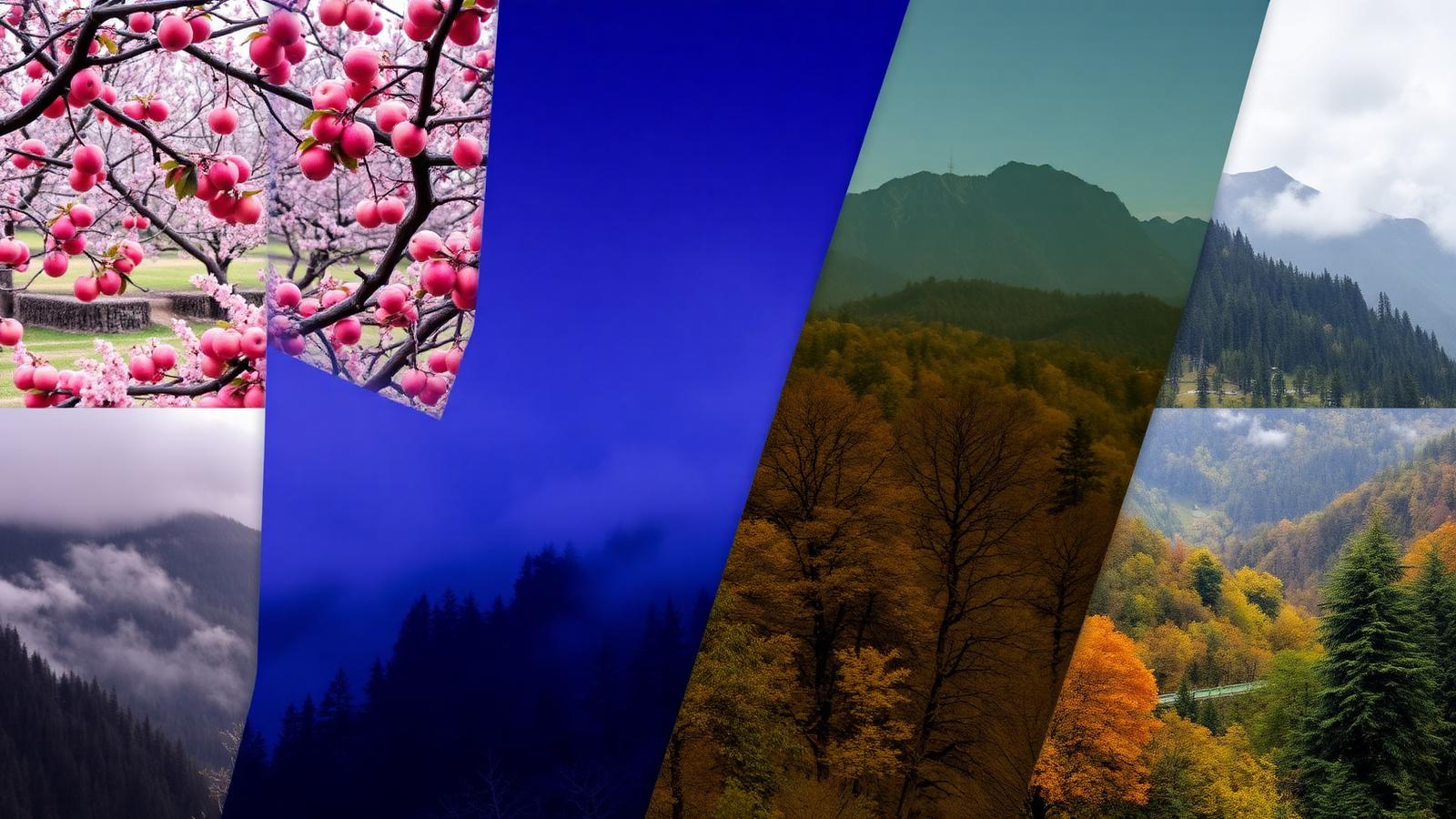
Best Time to Visit

Best Time to Visit Jibhi: Month-by-Month Verdicts

Verdict-first + "Is {m} right for you? Ask us" + stay/taxi cards for that month

~6 min read· Updated Jul 2026

Everything you need to plan Best Time to Visit Jibhi: Month-by-Month Verdicts — what we know from running trips here every season, plus a WhatsApp shortcut when you're ready.

At a glance
Best months
May, October, November (Prime windows)
How long to stay
3-4 days recommended
Nearest airport
Kullu-Manali Airport (Bhuntar)
Nearest railhead
Ambala Cantt / Chandigarh
Difficulty
Easy to Moderate (depending on activities)

Navigating Jibhi's Charms: When to Plan Your Escape

Jibhi, a hidden gem nestled in the serene Tirthan Valley, offers a tranquil escape for those seeking peace amidst nature. Deciding the best time to visit Jibhi Himachal Pradesh can significantly shape your experience, from crisp, snow-laden mornings to lush, vibrant summers. We at Go2Himachal have put together this comprehensive guide, month by month, to help you pinpoint the perfect window for your Jibhi adventure. Whether you dream of cozying up by a fireplace, trekking through blooming meadows, or simply enjoying the tranquil river, we've got the insights to make your trip unforgettable. Each month brings a unique personality to Jibhi, and understanding these nuances will allow you to tailor your visit to your specific desires. From packing recommendations to what activities are open, consider this your ultimate Jibhi planning companion.

January & February: Winter Wonderland & Crisp Air

Seeking a true winter experience? January and February in Jibhi are for you. January sees high temperatures around 11.0°C, and February a slightly warmer 13.0°C (lows around 2.0°C), with rainfall at 80.0mm and 95.0mm respectively. This is a "Good visit window" for those who love the cold.

Snow & Roads: Expect significant snowfall. Roads to Jibhi usually remain open but can be temporarily blocked after heavy snow. We strongly advise checking road conditions before traveling.

What's Open: Most guesthouses and homestays remain open, offering warm hospitality. Cafes and essential shops operate. Trekking options are limited to shorter, snow-safe routes with local guides.

Pack List: Heavy woolens, thermal wear, waterproof jacket and trousers, warm socks, snow boots, gloves, and a warm hat. Don't forget a power bank and basic medicines.

2-Day Plan:
* Day 1: Arrive, settle into your cozy stay. Explore the immediate village, enjoy a riverside walk (if clear), and a bonfire evening.
* Day 2: Short, guided snow walk to a nearby view-point or waterfall. Enjoy local Himachali cuisine.

March & April: Spring Blooms & Pleasant Days

As winter recedes, March and April bring a refreshing change. March offers highs of 18.0°C (lows 6.0°C) with 105.0mm rain, while April warms to 23.0°C (lows 10.0°C) with 80.0mm rain – both "Good visit windows". The air is crisp, and nature awakens.

Snow & Roads: Lingering snow may be found on higher trails in March, but the main roads are clear. April sees minimal to no snow, and all major routes are fully accessible.

What's Open: All establishments are typically open. Trekking routes begin to open up, offering stunning views of blooming rhododendrons and fresh greenery. Rafting might start towards late April in nearby areas.

Pack List: Light to medium woolens, light jacket, comfortable walking shoes. A waterproof outer layer for occasional rain, and sunscreen.

2-Day Plan:
* Day 1: Arrive and explore the Jibhi waterfall and surrounding forest walks. Enjoy a riverside picnic.
* Day 2: Day hike to Serolsar Lake (a moderate trek). Alternatively, explore the nearby Chaini Kothi for historical insights.

May & June: Peak Season & Ideal Weather

May and June mark the beginning of Jibhi's peak tourist season, and for good reason! May boasts comfortable highs of 27.0°C (lows 14.0°C) with low rainfall at 65.0mm, making it a "Prime window – comfortable days, dry". June remains warm with highs of 26.0°C (lows 17.0°C) and 100.0mm rain, a "Good visit window". These are truly the best time to visit Jibhi Himachal Pradesh for pleasant weather.

Snow & Roads: No snow in the valley, and all roads are perfectly clear and accessible. Trekking routes to higher altitudes are fully open.

What's Open: Everything is in full swing. This is the ideal time for exploring all local attractions, long treks, and outdoor activities like angling.

Pack List: Light cotton clothes, a light jacket for evenings, comfortable trekking shoes, hat, sunglasses, and high-SPF sunscreen.

2-Day Plan:
* Day 1: Explore Jibhi Waterfall, take a gentle riverside walk, and spend the afternoon angling in the Tirthan River (with permits).
* Day 2: Full-day trek to Balu Nag Temple and Serolsar Lake. Enjoy unparalleled panoramic views.

July & August: Monsoon Magic & Lush Greenery

The monsoon season bathes Jibhi in vibrant greens throughout July and August. Temperatures hover around 23.0°C (lows 17.0°C) but rainfall is significant at 220.0mm for both months. These are "Good visit windows" for those who appreciate the monsoon's dramatic beauty.

Snow & Roads: No snow. Roads are generally open, but landslides can cause temporary blockages during heavy downpours. Travel cautiously.

What's Open: Most establishments are open, though some activities like intensive trekking might be curtailed due to slippery trails and leeches. Nature walks and enjoying the mist-laden landscapes are popular.

Pack List: Waterproof jacket and trousers, sturdy waterproof trekking shoes, quick-drying clothes, insect repellent, umbrella, and a power bank.

2-Day Plan:
* Day 1: Settle in and enjoy the monsoon vibes. Visit the Jibhi waterfall (which will be at its fullest) and explore nearby short, safe trails.
* Day 2: A guided nature walk, understanding local flora. Spend the afternoon reading and relaxing by the river, or visit a local cafe.

September & October: Post-Monsoon Clarity & Autumn Hues

September and October present some of the most picturesque conditions. September has highs of 23.0°C (lows 14.0°C) with 140.0mm rain, making it a "Good visit window". October is a "Prime window – comfortable days, dry" with highs of 22.0°C (lows 8.0°C) and a mere 50.0mm rain. The air is crisp and views are stunning.

Snow & Roads: No snow, and roads are typically in excellent condition after the monsoon. Trekking routes are fully open.

What's Open: All activities are available. This is a fantastic time for trekking, photography, and exploring the valley in pleasant weather conditions.

Pack List: Light to medium woolens, comfortable layered clothing, good trekking shoes, and a light jacket for evenings. A light waterproof for September.

2-Day Plan:
* Day 1: Embark on a rewarding trek to Serolsar Lake, enjoying the clear autumn skies and golden foliage.
* Day 2: Explore the traditional village of Ghiyagi, visit the mini-Thailand of Jibhi, and simply revel in the valley's tranquility.

November & December: Approaching Winter & Cozy Ambiance

As winter approaches, November and December offer a different kind of charm. November is a "Prime window – comfortable days, dry" with highs of 16.0°C (lows 3.0°C) and very low rainfall at 15.0mm. December cools further with highs of 12.0°C (lows 1.0°C) and 45.0mm rain, a "Good visit window". These months are perfect for those who enjoy cool, clear weather before the heavy snows.

Snow & Roads: No snow in November, but December might see initial light snowfall towards the end of the month. Roads are generally clear and accessible.

What's Open: Most guesthouses and cafes are open. Trekking options are good in November, becoming more focused on lower altitudes and guided walks in December.

Pack List: Heavy woolens, thermal wear, warm jackets, gloves, and caps. Sturdy closed-toe shoes are a must. Carry a power bank and small thermos.

2-Day Plan:
* Day 1: Arrive and settle in. Enjoy brisk riverside walks and a cozy evening by a bonfire with local food.
* Day 2: Visit the historic Chaini Kothi and explore the charming architecture. Spend the afternoon reading or enjoying the peaceful surroundings.

Ready to Experience Jibhi? Let Us Help!

We hope this detailed, month-by-month guide helps you decide the best time to visit Jibhi Himachal Pradesh for your ideal getaway. Each season in Jibhi brings its own magic, whether you're chasing snow, vibrant blossoms, clear mountain air, or the serene calm of the pre-winter months. Remember, Jibhi is not just a destination; it’s an experience that changes with the rhythm of nature. Need personalized advice on accommodations, transportation, or crafting a custom itinerary? Our local expertise ensures a smooth and memorable journey. Don't hesitate to reach out! Our team is always ready to assist with any questions you might have. Simply click the WhatsApp icon on our page, and we'll be happy to guide you through planning your perfect Jibhi adventure.

Frequently asked

What is the best time to visit Jibhi for snow?

For prime snowfall, December to February is generally the best time. January usually offers the heaviest snow cover, transforming Jibhi into a winter wonderland. However, be prepared for cold temperatures and potential road disruptions.

When is the best time for trekking in Jibhi?

The post-monsoon months of September and October, and the pre-monsoon months of May and early June, offer the best conditions for trekking. The weather is pleasant, skies are clear, and trails are dry and accessible.

Is Jibhi safe during the monsoon season (July-August)?

Jibhi is generally safe during monsoon, but heavy rainfall can lead to slippery trails and occasional road blockages due to minor landslides. It's advisable to check weather and road conditions before traveling and stick to well-known routes.

How many days are sufficient for a Jibhi trip?

A 3 to 4-day trip is usually ideal to experience Jibhi's main attractions and allow for some relaxation. This timeframe lets you cover local sights, enjoy a trek, and soak in the tranquil atmosphere without feeling rushed.

What kind of accommodation is available in Jibhi?

Jibhi offers a range of accommodations, primarily homestays, guesthouses, and a few boutique resorts. These options provide a comfortable stay, often with traditional Himachali hospitality and home-cooked meals.

How can I reach Jibhi?

Jibhi is accessible by road. The nearest major town is Aut, from where local buses or taxis can be taken. The closest airport is Kullu-Manali Airport (Bhuntar), and the nearest major railway station is Ambala Cantt or Chandigarh.

Are there ATMs or internet connectivity in Jibhi?

While some parts of Jibhi might have limited ATM facilities, it's always advisable to carry enough cash. Internet connectivity can be spotty, with BSNL and Jio generally offering better service compared to other providers.

What is the typical cost range for a Jibhi trip?

A moderate budget for a 3-4 day trip to Jibhi, excluding travel to Aut, could range from INR 6,000 to 12,000 per person, depending on accommodation choice, dining preferences, and activities like guided treks.

Need a taxi or a stay to go with this?

We run 15,000+ verified taxi routes and curated stays across Himachal. Message us with your dates and we'll send options in 10 minutes.