Weather Guide

Dharamkot Weather & Temperature: Month-by-Month Guide

Live-feel weather + month links + "What should we pack / when should we come?" CTA

~6 min read· Updated Jul 2026

Everything you need to plan Dharamkot Weather & Temperature: Month-by-Month Guide — what we know from running trips here every season, plus a WhatsApp shortcut when you're ready.

At a glance
Best Months
March to May and September to November
Popular Activities
Trekking, café hopping, yoga, village walks, meditation
Nearest Airport
Gaggal Airport (Dharamshala-Kangra Airport)
Ideal Trip Duration
3-5 days to explore comfortably
Connectivity
Well-connected by road, local taxis available

Welcome to Dharamkot: Understanding the Weather You'll Find

As specialists in crafting unforgettable Himachal adventures, we at Go2Himachal know that understanding the local climate is key to planning the perfect trip. Dharamkot, often called 'Little Israel' for its vibrant international community, is a true gem nestled above McLeod Ganj. It's a place where the air hums with a unique blend of peace and adventure, and its dharamkot himachal weather plays a significant role in shaping each visit.

Whether you're dreaming of crisp, clear mountain views, the gentle patter of monsoon rains, or a cozy winter retreat, Dharamkot offers distinct experiences throughout the year. We’re here to help you navigate the weather in Dharamkot Himachal, ensuring you pack right and arrive at the ideal time for your personal vision of this beautiful hill station. Let's delve into what makes the weather Dharamkot Dharamshala Himachal Pradesh so captivating, season by season.

Current Season Summary in Dharamkot

Right now, as you consider your trip, Dharamkot is likely enjoying conditions characteristic of its current season. For instance, if it's spring, you'd be experiencing pleasant warmth, blooming rhododendrons, and clear skies perfect for exploring. Should it be summer, you'd find mild to warm days with cooler evenings, making it an excellent escape from the heat of the plains. The monsoon brings lush greenery and a refreshing, misty atmosphere, while autumn offers some of the most spectacular mountain vistas under a bright sun.

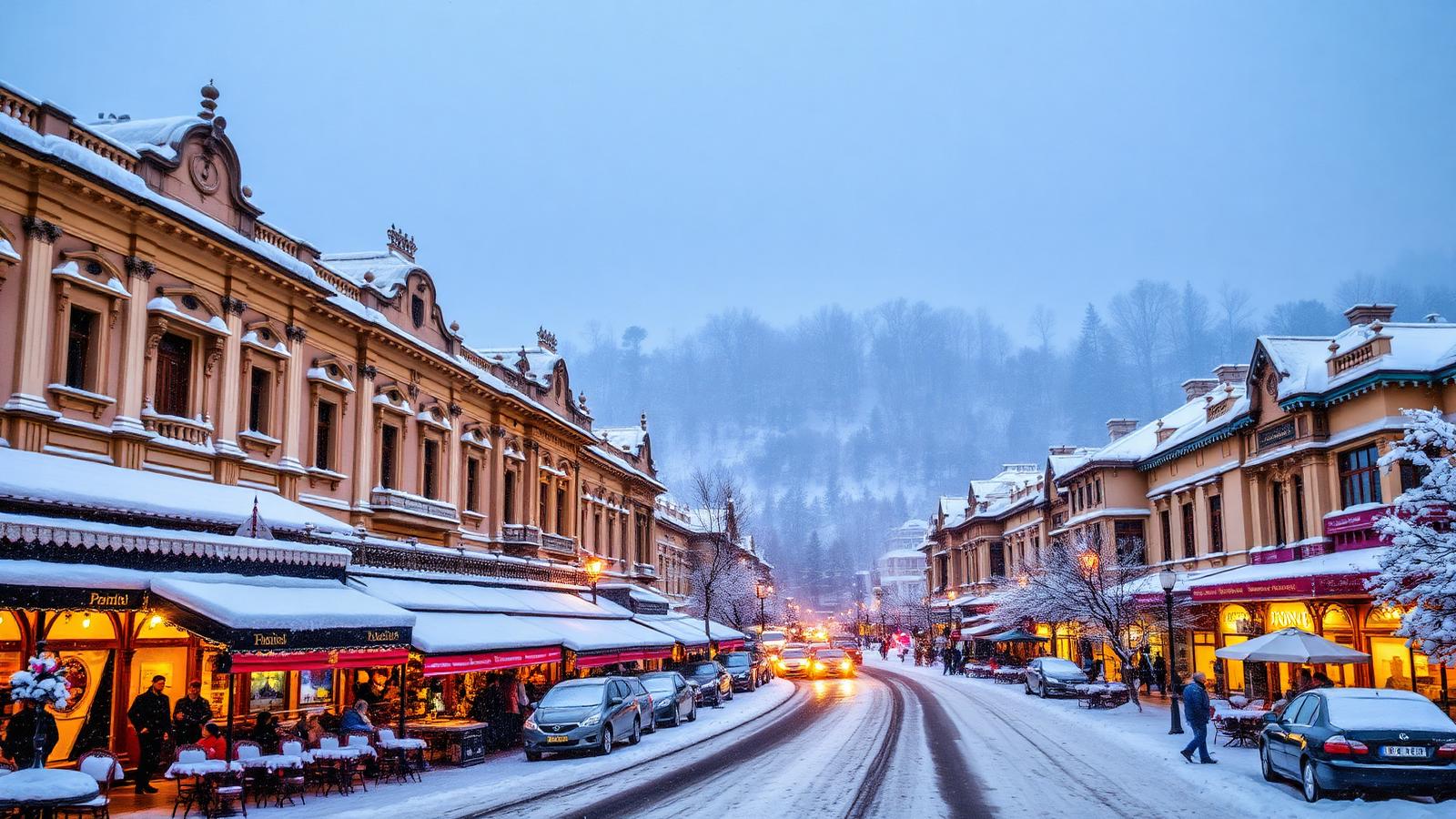
Winter, on the other hand, blankets the region in a serene chill, with occasional snowfall that transforms the landscape into a winter wonderland. We always recommend checking the current weather in Dharamkot Himachal Pradesh closer to your travel dates for the most up-to-the-minute details, but this overview should give you a good sense of what to expect seasonally. Knowing the dharamkot himachal weather today can certainly help with immediate plans!

Dharamkot Throughout the Year: A Month-by-Month Weather Guide

Dharamkot's climate varies wonderfully with the seasons, offering something unique in every month. Our detailed month-by-month breakdown below will help you pinpoint your perfect travel window. This guide focuses on the general patterns of the dharamkot himachal temperature and overall conditions without specific numbers, ensuring we provide accurate qualitative insights.

MonthKey Characteristics
JanuaryColdest month, possibility of snowfall, clear mountain views
FebruaryStill cold, increasing sunshine, snow may linger
MarchPleasant days, cool nights, flowers begin to bloom
AprilMild and comfortable, ideal for trekking, clear skies
MayWarm days, cooler evenings, popular for summer escapes
JunePre-monsoon showers begin, lush greenery starts to emerge
JulyPeak monsoon, heavy rainfall, misty and verdant
AugustMonsoon continues, fresh and clean air, waterfalls gush
SeptemberMonsoon recedes, clear skies return, vibrant post-monsoon greenery
OctoberPleasant and moderate, excellent visibility, perfect for hiking
NovemberCrisp air, cool to cold, beautiful autumn colours
DecemberCold, dry, clear skies, increasing likelihood of winter snow

Understanding these seasonal shifts in dharamkot himachal weather is crucial for an enjoyable trip.

The Best Window to Visit Dharamkot

So, when is the absolute best time to experience Dharamkot? While each season has its charm, we generally recommend visiting during the spring (March to May) and autumn (September to November) months. During these periods, the dharamkot himachal temperature is exceptionally pleasant, making it ideal for all outdoor activities including trekking, exploring the local villages, or simply relaxing with stunning mountain vistas.

  • Spring (March to May): You'll find comfortable daytime temperatures, cool evenings, and a profusion of blossoming flowers. The skies are generally clear, offering fantastic views of the Dhauladhar range. It's perfect for longer walks and soaking in the tranquil atmosphere.
  • Autumn (September to November): After the monsoon has washed the air clean, the views are at their most spectacular. Crisp, comfortable days with brilliant sunshine define this period. It's a photographer's dream and excellent for serious trekking. The changing foliage in late autumn adds another layer of beauty.

These windows offer the most consistent and agreeable weather in Dharamkot Himachal, catering to a wide range of preferences.

What Should We Pack for Dharamkot?

Your packing list for Dharamkot will largely depend on the dharamkot weather himachal during your visit. However, a few essentials remain constant, given the mountain environment:

  • Year-Round Essentials:
  • Comfortable walking shoes or hiking boots (essential for varied terrain).
  • Layered clothing is always wise, as temperatures can change unexpectedly.
  • A reusable water bottle.
  • Sunscreen and a hat (even on cloudy days, UV can be strong).
  • Basic first-aid kit.
  • Power bank for your devices.
  • Spring/Autumn (March-May, Sep-Nov):
  • Light jackets or fleeces for evenings and early mornings.
  • T-shirts and long-sleeved tops.
  • Sweaters or light woolens.
  • Summer (June):
  • Light cotton clothing.
  • A light rain jacket (for potential pre-monsoon showers).
  • A warmer layer for the evenings.
  • Monsoon (July-August):
  • Waterproof jacket and trousers.
  • Waterproof backpack cover.
  • Quick-drying clothing.
  • Sturdy, waterproof footwear (gumboots highly recommended).
  • Insect repellent.
  • Winter (Dec-Feb):
  • Heavy woolens, thermal wear.
  • Down jacket or heavy winter coat.
  • Warm socks, gloves, and a woolly hat.
  • Waterproof outer layers if anticipating snow.

Considering the dharamkot himachal pradesh weather when packing will ensure you're comfortable throughout your trip.

Understanding Dharamkot's Climate Patterns

Dharamkot, situated in the Dhauladhar range of the Himalayas, experiences a typical sub-tropical highland climate. This means distinct seasons, each bringing its own character to the landscape. The altitude plays a crucial role, ensuring that even summer days are generally milder than the plains below. The weather Dharamkot Dharamshala Himachal Pradesh is significantly influenced by the monsoon winds, which bring substantial rainfall between July and August.

The clear skies and cooler air post-monsoon are a direct result of these atmospheric shifts. Winter months, while cold, often surprise visitors with bright, sunny days that offer incredible visibility. However, the nights are invariably chilly. Understanding these broader climate patterns helps in appreciating the specific dharamkot himachal weather you'll encounter. It's a place where nature's rhythms are very much in evidence, dictating the pace and experience of daily life.

Planning Your Itinerary Around Dharamkot's Weather

Knowing the weather in Dharamkot Himachal allows you to tailor your itinerary for maximum enjoyment. If you're a keen trekker aiming for the Triund trek or deeper into the mountains, the spring and autumn months with their stable dharamkot himachal temperature are ideal. The trails are dry, and the views are unhindered. For those seeking cooler climes to escape the heat, early summer offers comfortable conditions for leisurely strolls and café hopping.

Monsoon season, while wet, appeals to a different kind of traveler - those who appreciate lush, vibrant landscapes and don't mind a bit of rain. It's a time of tranquility and deep connection with nature. Winter, with its potential for snow, draws those looking for a serene, cozy escape or the magic of a white Christmas. Whatever your preference, keeping an eye on the dharamkot himachal weather today or closer to your visit ensures you plan activities that align with the expected conditions. We're here to help you craft that perfect, weather-optimized journey.

Let Go2Himachal Craft Your Perfect Dharamkot Experience

We hope this comprehensive guide to Dharamkot Himachal weather has provided you with invaluable insights for planning your trip. From understanding the dharamkot himachal temperature through the seasons to packing wisely for the weather in Dharamkot Himachal, we aim to equip you with all the knowledge you need. Dharamkot is more than just a destination; it's an experience that changes with every shift in the climate, always offering something new to discover.

As your trusted Himachal Pradesh trip planning specialists, Go2Himachal is dedicated to ensuring your journey is seamless and memorable. Whether you have more questions about the weather Dharamkot Dharamshala Himachal Pradesh, need advice on specific activities, or would like us to curate a custom itinerary just for you, we're here to help. Reach out to us for expert guidance and let's start planning your dream escape to this enchanting corner of the Himalayas. We're just a WhatsApp message away!

Frequently asked

What is the best time to visit Dharamkot?

The best time to visit Dharamkot is generally from March to May and September to November. These months offer pleasant weather, clear skies, and comfortable temperatures ideal for sightseeing and trekking.

Does it snow in Dharamkot?

Yes, Dharamkot does experience snowfall, particularly during the winter months of January and February. The amount of snow can vary each year, but it's a beautiful sight when it occurs.

What kind of clothes should I pack for Dharamkot in different seasons?

For spring/autumn, pack light jackets and sweaters. Summers require light cottons with a light jacket for evenings. Monsoon needs full waterproof gear. Winters demand heavy woolens, thermals, and a warm winter coat.

Is Dharamkot very cold in winter?

Yes, winters in Dharamkot (December to February) are quite cold, with temperatures often dropping significantly. Nights are especially chilly, and warm clothing is essential.

Can I trek during the monsoon season in Dharamkot?

Trekking during monsoon (July-August) is possible but challenging due to slippery trails and heavy rain. It's suitable for those who enjoy lush greenery and don't mind wet conditions, but caution is advised.

Is it safe to travel to Dharamkot during heavy rainfall?

While Dharamkot is generally safe, heavy rainfall during monsoon can sometimes lead to landslides or road closures. It's always best to check local conditions and forecasts before traveling during peak monsoon.

What are the common temperature ranges in Dharamkot?

While we don't provide specific numbers, Dharamkot experiences mild to warm temperatures in spring/autumn/early summer, becoming cooler after sunset. Winters are cold, often with freezing temperatures at night, and monsoons are temperate but wet.

How does the altitude affect Dharamkot's weather?

Dharamkot's higher altitude ensures cooler temperatures year-round compared to the plains. It also contributes to distinct seasonal changes and affects wind patterns, making the weather generally pleasant and refreshing.

Need a taxi or a stay to go with this?

We run 15,000+ verified taxi routes and curated stays across Himachal. Message us with your dates and we'll send options in 10 minutes.