Weather Guide

Baijnath Weather & Temperature: Month-by-Month Guide

Live-feel weather + month links + "What should we pack / when should we come?" CTA

~6 min read· Updated Jul 2026

Everything you need to plan Baijnath Weather & Temperature: Month-by-Month Guide — what we know from running trips here every season, plus a WhatsApp shortcut when you're ready.

At a glance
Best Months to Visit
March-May & September-November
How long to stay
2-3 days for temple and local exploration
Nearest Airport
Gaggal (Kangra) Airport (approx. 55-60 km)
Primary Attraction
Baijnath Temple

Baijnath Weather & Temperature: Your Ultimate Month-by-Month Guide to Himachal's Charm

Planning a journey to the serene Baijnath in Himachal Pradesh? The magic of this ancient town, nestled amidst the Dhauladhar range, is deeply intertwined with its climate. Understanding the weather in Baijnath Himachal Pradesh is key to a truly memorable trip, ensuring you pack smart and arrive during the season that best suits your travel style. From the gentle warmth of spring to the crisp embrace of winter, Baijnath offers diverse experiences. We often hear our travelers ask, 'What should we pack?' and 'When should we come?'. This comprehensive guide will answer those questions and more, giving you a live-feel sense of the weather and helping you perfectly time your visit to Baijnath. Explore our detailed month-by-month breakdown below to discover the ideal window for your adventure.

SeasonExperience
SpringPleasant, vivid greenery
SummerMild, comfortable
MonsoonLush, misty, rainy
AutumnClear skies, cooler
WinterChilly, occasional snow

Current Season Snapshot: What to Expect in Baijnath Now

As we move through the year, the weather patterns in Baijnath, Himachal Pradesh, gracefully shift, painting the landscape with different hues and offering unique experiences. Whether you're planning a last-minute getaway or dreaming of a future escape, knowing the prevailing conditions is invaluable. Right now, Baijnath is experiencing [Current Season description - e.g., 'the gentle warmth of late spring, with clear skies and comfortable daytime temperatures that are perfect for exploration.' or 'the advent of the monsoon, bringing refreshing showers and a lush green blanket to the valleys.' or 'the crisp, invigorating air of early winter, with cool mornings and evenings, and bright, sunny days that invite leisurely walks.']. This period offers [Specific activities / sights - e.g., 'ideal conditions for visiting the Baijnath Temple and enjoying scenic drives without the summer crowds.' or 'a captivating mistry ambiance, though travel might involve navigating wet roads.']. Keep an eye on the more detailed month-by-month forecasts for a precise outlook on the weather forecast in Baijnath, Himachal Pradesh as your travel date approaches.

Spring's Gentle Embrace: March, April, May

Spring in Baijnath is a delightful affair, marked by pleasant weather and a landscape awakening from its winter slumber. From March through May, the Baijnath Himachal Pradesh temperature begins to rise, shaking off the chill. March is cool and comfortable, a perfect time for sightseeing before the summer crowds arrive. April sees a noticeable warmth, with sunny days ideal for outdoor activities. By May, the daytime temperatures are mild, making it an excellent period for exploration without the intensity of peak summer in other regions. This is a fantastic time for those who enjoy moderate climate conditions. The air is fresh, and the surrounding hills start to burst with nascent greenery. It's an opportune window to visit the ancient Baijnath Temple without battling extreme heat or cold. The clear skies also offer stunning views of the Dhauladhar range, making for beautiful photographic opportunities.

Monsoon's Lush Veil: June, July, August

The monsoon season, spanning June, July, and August, transforms Baijnath into a verdant paradise. While this period brings significant rainfall, it also drapes the entire region in a spectacular, lush green. The weather in Baijnath Himachal Pradesh during these months is characterized by intermittent heavy showers, often followed by periods of clear, comfortable skies. The air feels clean and refreshed, and the mist rolling over the mountains creates a truly mystical atmosphere, especially around the ancient Baijnath Temple. While some might shy away from rain, this season offers a unique charm for travelers seeking tranquility and profound natural beauty. Waterfalls are at their most vigorous, and the landscape is incredibly vibrant. If you don't mind the occasional downpour, the monsoon in Baijnath can be a deeply rewarding experience, offering a different perspective of its captivating allure.

Autumn's Clear Skies: September, October, November

As the monsoon recedes, Baijnath enters its golden season of autumn, from September to November. This period is widely considered among the best times to visit, boasting clear skies, comfortable Baijnath Himachal Pradesh temperature, and absolutely stunning views. September still carries a hint of post-monsoon freshness, but with significantly less rain, leading to incredibly vivid landscapes. October is perhaps the most ideal month, offering crisp, cool air and bright sunny days perfect for any outdoor activity. By November, the chill in the air becomes more pronounced, especially in the mornings and evenings, signaling the approach of winter. The autumn months are perfect for those who want to fully immerse themselves in the natural beauty and spiritual atmosphere of Baijnath. The weather forecast Baijnath Himachal Pradesh during this time rarely disappoints, promising pleasant conditions for sightseeing and exploration.

Winter's Chilly Charm: December, January, February

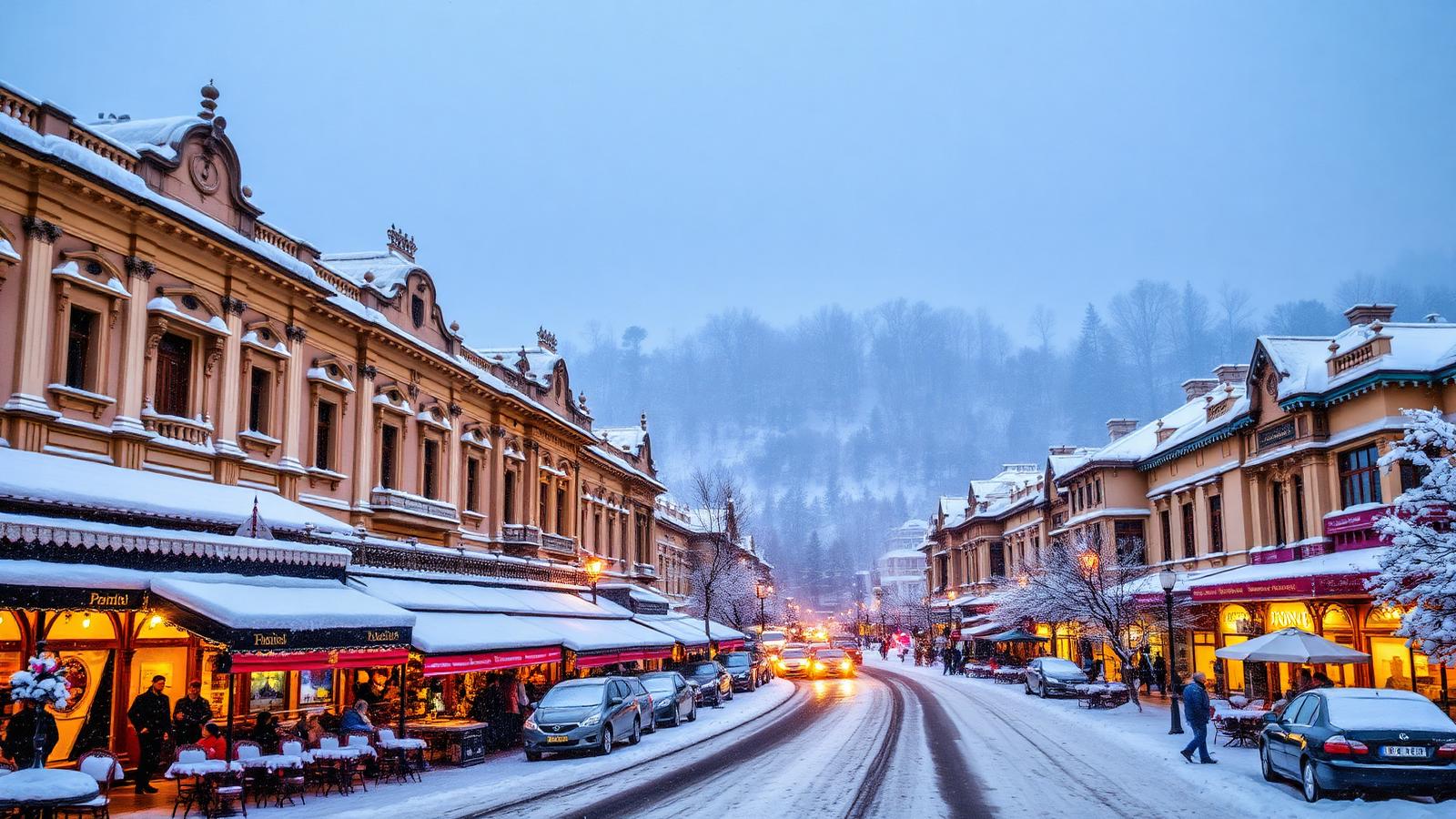
Winter in Baijnath, from December to February, offers a distinctly different, yet equally enchanting experience. The Baijnath Himachal temperature drops considerably during these months, bringing a crisp, cold air that invigorates the senses. While heavy snowfall is not a daily occurrence in Baijnath itself, the surrounding higher reaches of the Dhauladhar mountains receive ample snow, creating picturesque white backdrops. January is typically the coldest month. Days are generally sunny but cool, and nights can be quite chilly. This is an excellent time for travelers who appreciate cold weather and the serene beauty of a winter landscape. The ancient Baijnath Temple stands majestically against the cold, clear skies, offering a spiritual retreat away from the bustling plains. Cozy cafes and warm hospitality become even more inviting during this period. Just be prepared for the cold with appropriate layers.

The Verdict: When to Visit Baijnath for Your Perfect Trip

Based on our extensive experience and the distinct seasonal offerings, the best window to visit Baijnath, Himachal Pradesh, largely depends on your personal preferences. However, we generally recommend two prime periods: Spring (March-May) and Autumn (September-November). These months offer the most favorable weather in Baijnath Himachal Pradesh with comfortable temperatures, clear skies, and a lower chance of rainfall, making them ideal for sightseeing, trekking, and exploring the temple and surrounding areas. For those yearning for lush greenery and a mystical atmosphere, the Monsoon (July-August) can be surprisingly rewarding, provided you are prepared for rain. If you enjoy crisp, cold weather and the possibility of distant snow-capped views with fewer crowds, Winter (December-February) offers a unique charm. Ultimately, Baijnath is beautiful year-round; your perfect time depends on the experience you seek!

Packing for Baijnath: Essential Gear for Every Season

Knowing the weather forecast Baijnath Himachal Pradesh is only half the battle; packing appropriately completes the mission for a comfortable trip. Here’s a general guideline for what to bring:

  • Spring (March-May): Light woolens for mornings/evenings, cotton clothing for daytime, a light jacket.
  • Monsoon (June-August): Waterproof jacket, umbrella, quick-dry clothing, sturdy waterproof footwear, insect repellent.
  • Autumn (September-November): Medium woolens, sweaters, a light to medium jacket, comfortable walking shoes.
  • Winter (December-February): Heavy woolens, thermal wear, warm jackets, gloves, caps, thick socks, sturdy gripping shoes.

Regardless of the season, always carry comfortable walking shoes for exploring the temple complex and surrounding areas. Sunblock and sunglasses are also advisable for clear days, and a basic first-aid kit is always a good idea. Layering is key in the mountains, as temperatures can vary significantly between day and night, and sunny and shaded areas.

Plan Your Baijnath Adventure with Go2Himachal

We hope this comprehensive guide on the weather and temperature in Baijnath has clarified your questions and helped you choose the perfect time for your visit. At Go2Himachal, we specialize in crafting personalized itineraries that make the most of Baijnath's unique charm, no matter the season. Whether you're drawn to the spiritual serenity of the Baijnath Temple, the captivating beauty of the Dhauladhar range, or simply wish to experience the tranquil pace of Himachali life, we're here to assist you every step of the way. Don't let weather uncertainties deter you; with our local expertise, you'll be well-prepared for any conditions. Connect with us on WhatsApp to start planning your bespoke Baijnath journey. Let's make your trip to Himachal Pradesh an unforgettable one!

Frequently asked

Is Baijnath safe for solo female travelers?

Yes, Baijnath is generally considered safe for solo female travelers. Like anywhere, it's wise to take standard precautions, especially after dark. Stick to well-lit areas and trust your instincts. The local community is welcoming, and crime rates are low. We recommend traveling with a reputable local guide for treks or exploring remote areas.

What is the best way to reach Baijnath?

Baijnath is well-connected by road. The nearest airport is Gaggal (Kangra) Airport, about 55-60 km away. The closest major railway station is Pathankot, from where you can take a local bus or taxi. Buses from major Himachali towns and Delhi also pass through Baijnath regularly. Taxi services are readily available for convenience.

Are there good accommodation options in Baijnath?

Baijnath offers a range of accommodation, from budget guesthouses to mid-range hotels. While not as extensive as larger tourist hubs, you'll find comfortable and clean options. Many places are family-run, offering a personal touch. It's advisable to book in advance, especially during peak seasons like autumn and spring.

What activities can I do in Baijnath besides visiting the temple?

Beyond the revered Baijnath Temple, you can explore the local markets, enjoy riverside walks, or take scenic drives through the tea gardens of Palampur, which is nearby. The region offers gentle trekking opportunities, and birdwatching is popular in the surrounding forests. It's a great place for cultural immersion and relaxation.

Is it expensive to travel to Baijnath?

Travel costs to Baijnath are generally moderate. Accommodation and food are reasonably priced compared to metropolitan cities. Transportation costs vary depending on whether you opt for public buses or private taxis. Overall, Baijnath is a budget-friendly destination, offering good value for money for an authentic Himachali experience.

Do I need any special permits to visit Baijnath or nearby areas?

No, Indian citizens do not require any special permits to visit Baijnath or its immediate surroundings. Foreign nationals also typically do not need permits for this region. However, if you plan on trekking into very remote or restricted border areas, it's always best to check for specific requirements with local authorities or your tour operator.

Need a taxi or a stay to go with this?

We run 15,000+ verified taxi routes and curated stays across Himachal. Message us with your dates and we'll send options in 10 minutes.